Showing posts with label olive oil. Show all posts

Friday, August 17, 2012

The Healing Power of Honey

I had the opportunity to test out honey's healing powers. About 5 weeks ago, I scraped my shoulder on the corner of those fire alarm boxes you see in offices and buildings. It wasn't rusted or anything or else I would've ran screaming for the next health center offering tetanus shots. However, I did want to pass out because I don't do well with blood or seeing exposed expanses of white flesh thanks to ultra-sharp metal corners. Anyway, it happened because I bent over to pick up something and got up way too fast.

So I thought this would be a great opportunity to try out all that I've learned about honey and its antibacterial, healing properties. For millenniums, honey has been nothing less than "liquid gold" when it came to health, healing, and happiness. Almost everyone knows that honey was used as embalming fluid in Ancient Egypt, but it doesn't end there. As far as 8,000 years ago, humans have been hunting for honey. (source) Not to mention, for at least 2,700 years that we can find, honey had been used for medical purposes whether through topical application or consumption. (source)

Here are the three valuable properties of honey in terms of healing:
  1. It's hygroscopic, which means when exposed to air, it naturally absorbs moisture in from the air. In treating open wounds, honey is useful as it could help prevent scarring by keeping the skin moist, encourage the growth of new tissues, and allow easy removal of any dressing by preventing dressing from becoming stuck to the skin.
  2. It's antibacterial. Researchers began to document the healing properties of honey in the early part of the 20th century. This ceased with the development of antibiotics but recently the development of resistance to antibiotics has led to a resurgence of interest into the healing properties of honey. The effective antimicrobial agent in honey prohibits the growth of certain bacteria. It contains an enzyme that produces hydrogen peroxide which is believed to be the main reason for the antimicrobial activity of honey. Cuts, abrasions and scalds can be covered in honey to prevent bacteria from entering the wound and promote healing.
  3. It's a source of antioxidants. Honey contains natural antioxidant properties that can destroy biologically destructive chemical agents which have been linked to many diseases such as cancer. Not only could honey's antioxidants help to eliminate free radicals in the body, they are also part of the nutrient supply for growth of new tissue. These precious honey properties help protect the skin under the sun and help the skin to rejuvenate and stay young-looking. (This could explain my inexplicable tan lines in that area, haha!)
If you're squeamish like me, you may not want to look at these photos. They're not dramatic or particularly gory, but sometimes I can get grossed out or lightheaded from the simplest wound. But this is a picture of my scrape a day after it happened:


Here's what I did to naturally heal it. I didn't just stop with honey but also used extra virgin olive oil and cocoa butter*.
  • For the first week, I applied honey to the wound once in the morning and once at night and kept it covered with a bandage. 
  • For the second week, I simultaneously applied honey and extra virgin olive oil to the wound twice daily and continued to keep it covered with a bandage.
  • For the third week, Guitar Boy demanded I let it breathe so the bandage was exiled. I alternately applied olive oil and raw, pure cocoa butter on the wound for the first few days, then just continued applying cocoa butter for the rest.
  • For the fourth week, I applied cocoa butter to it about three times daily. Usually whenever it felt dry.
  • Here I am, on the fifth week. I apply cocoa butter, olive oil, and/or honey whenever I remember which tend to just be once a day at nights. 
*In test treatment of 1st and 2nd degree burns, cocoa butter promoted 100 percent regrowth of new skin by 8 to 9 days after injury, much more quickly than untreated burns. (source)

Guitar Boy says it looks 100 times better and the picture doesn't do it justice. I agree, though the white scar is bothering me. It's a little pink because I haven't been incredibly vigilant about applying sunscreen, but alas, that's the suntanned life for me. However, I recently read somewhere about the application of ginger juice to help turn scarred white skin into normal colored skin. I plan to look into that on a couple of old scars on my legs since I don't feel like my scrape is ready for it.

Here's the picture of it now:


Do you think there's a big improvement? If I never applied the honey, olive oil, and cocoa butter, I would've likely bandaged it for a week, then let it alone for the rest of time. I'm pretty sure it would dry out, scab over, and end up with scarring even worse than what I have now. What do you think?

Thursday, August 2, 2012

Oil Cleansing Method: Washing Your Face with Oil, Really!

Okay, you know I greatly enjoy watching people's reaction when I tell them I wash my face with honey, but seeing their reaction when I tell them I occasionally wash my face with oil is even better. It's kind of the same as when you tell them the shirt they just gushed over was bought at Walmart. (I don't condone Walmart so my face would be one of sheer horror.)

I have to say, for as strange and totally-against-all-valid-reason as it is spreading sticky oil across your face, the outcome is amazing. It melts off all your makeup and makes your skin glow. You can literally see the difference in just one day. No, really. Don't believe me? Then, you have to try for yourself.

Again, I discovered this through Crunchy Betty's fabulous website. She's pretty much my go-to for any crunchy procedures or questions I might have. But I wanted to give you my experiences and my own tips on how to wash your face with oil. (image source)

Oil Cleansing Method, otherwise known as OCM:

First, you need three things- castor oil, a carrier oil, and a washcloth.

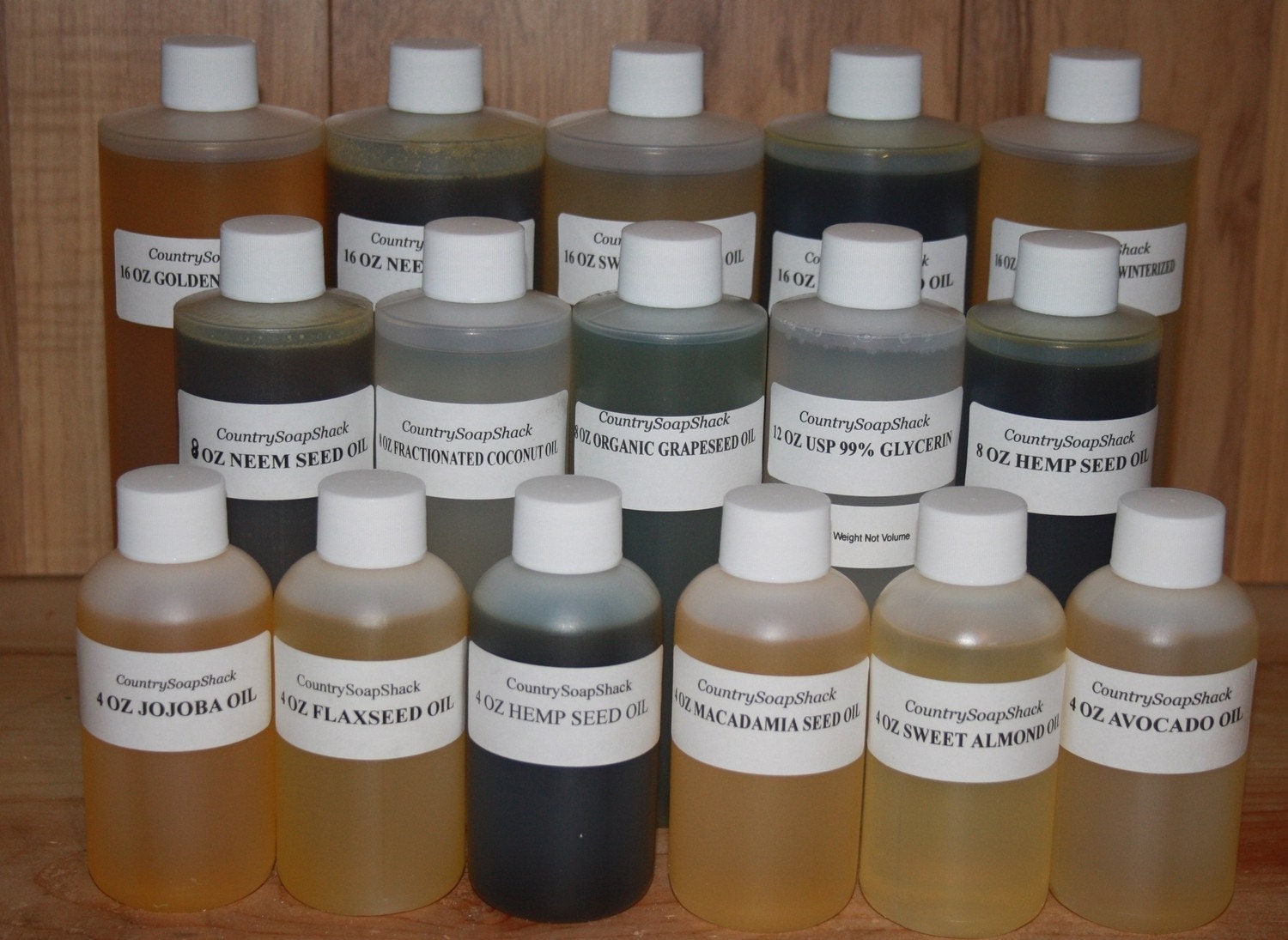
1) Castor oil is the most important part. It's the oil that does the cleansing. I randomly bought this oil through an Etsy seller called CountrySoapShack when I was trying to make my own shampoo so it was kind of like fate that I had this oil on hand. Otherwise, I've heard that they're pretty easily found in Target and the like in the... wait for it... laxative aisle. Don't run away screaming just yet. The whole point is that we should put things on our skin that's pure enough to ingest right? Right? Just try to get past this and get your precious skin-loving oil. 


2) As for carrier oils, it's what it says, but it also adds extra benefits your skin needs. I currently use extra virgin cold pressed olive oil. Cold pressed is generally the purest type of oil since heat pretty much kills a lot of the beneficial properties. (Remember what I wrote about raw honey? Heat is yo' enemy!) You can also use other oils such as this list I've excerpted from Crunchy Betty below:
  • Jojoba (all skin types, but very desirable for acne-prone skin)
  • Sweet almond (all skin types, especially oily)
  • Grapeseed (all skin types, especially oily)
  • Avocado (dry and aging skin)
  • Sunflower Seed (all skin types)
  • Olive (all skin types)
  • Apricot Kernel (dry, aging, and normal skin)
  • Argan (all skin types, especially aging skin … very pricey)
  • Tamanu (all skin types … very pricey)
Now, I've heard rumors that some people may not have the greatest results with olive oil. Jojoba and grapeseed tend to have the best reputations among OCM fans. Luckily, grapeseed oil can be found next to the olive oil in good grocery stores and jojoba, well, there is the magic of the internet

3) Washcloth. That's self-explanatory. Get yourself a nice and clean one.

Next is to figure out the ratio best for you. Think in thirds and halves. For normal skin, use equal parts castor and carrier oil. For dry skin, use 1/3 castor oil to 2/3 carrier oil. For oily skin, use 2/3 castor oil to 1/3 carrier oil.

I have have normal skin with the exception of a dry T-zone; so I use about 1/2 and 1/2 using slightly less castor oil. You can experiment and figure out the best ratio for yourself.

Now that all that preliminary information is out of the way, onto the actual method:
  1. With a dry face, makeup and all, mix together the castor and carrier oil in your hands. Massage gently onto your face getting every last bit including eyes and jawline and wherever else you have problem areas. Be sure to take at least a minute to massage it all in.
  2. Hang out for 5 minutes. Here, I'll brush and floss and dilly dally around.
  3. Turn on the faucet to the hottest water you can handle. (I know I said heat is your enemy, but here, it's necessary to help remove the oil.) Wet your washcloth well then wring it out so it doesn't drip. Place it over your face and keep it on until it begins to cool.
  4. Optional: repeat two more times.
  5. Using the wet washcloth, gently scrub the oil and makeup off your face, rinsing and rewetting as needed.
  6. Voila. You have a clean and make-up free face!
  7. Moisturizing is generally not necessary but if you feel tight, use some of the carrier oil if you like.
I like doing the washcloth process three times just because... I don't know, it feels right. Holding the hot washcloth over your face opens up your pores so the oil can get in there and clean out the gunk stuck in there. It's really quite exciting because your blackheads all but disappear when you do this. I do moisturize my T-zone still but I think it's because I've gotten lazy and haven't been as vigilant with my ratios and ended up using more castor oil than I should. I just mix a few drops right in my hand each time I do the OCM. 

Now, do you have to do the OCM every day? Some people do. I don't. I use the honey wash every day and maybe once or twice a week, I'll do the OCM. Usually when I know I have to wash my hair the next day because then I can just be sloppy and get the oil as close to my hairline as possible. I'm pretty positive if I committed to the OCM every day, I would have the skin most people would kill for. In between that and the honey wash though, I think it works out for me. 

Also, when you do the OCM, your skin is going to look so good in the morning, you'll feel just dandy not washing it in the a.m. I think it's better that way too: Less washing, more skin health! (image source)

My bathroom is turning into a kitchen pantry right now and I'm loving it. How about you?

Thursday, July 19, 2012

The Vegetarian Protein Myth Plus Naan "Pizza" Recipe

I'd like to delve into what I consider one of the most commonly misinformed myths about vegetarianism and veganism. That is protein intake. It wasn't until I was watching the esteemed Dr. Caldwell Esselstyn of the Cleveland Clinic and Dr. Colin T. Campbell in Forks over Knives when I discovered the truth about protein.

Typically the most effort I would make in consciously adding protein is throwing in some beans while cooking and daily slices of peanut butter toast. Since I rarely indulge in dairy items, I do not consider them a reliable source of protein for myself. So just by looking at the big picture, it seems like I'm not getting protein regularly at all. So how the heck am I getting up in the morning and having enough energy to do anything at all? I'll be honest, I had worried a bit about it before, believing I needed to double up my efforts and really pay attention to my nutrition intake. Due to, well, laziness, I never really made any measures to do so. Beans can only go into so many dishes until you decide, "Enough!" (image source)

I had heard someone on Forks over Knives, (can't remember who but suspect I was listening to Rip Esselstyn, Dr. Esselstyn's knowledgable son,) explain that as long as we were consuming the proper amount of calories per day, we were covered on the protein front. Meaning, every whole foods- vegetables and grains- contained protein in varying levels. If I simply ate a good variety of whole foods, I was getting enough protein. Fruits, however, does not have a great amount of protein so rely on them for other nutritional benefits. Especially now in the summer when most of them are at their peak deliciousness.

As for the commonly known belief that vegans have to eat rice and beans in order to gain a "complete" protein, meaning consuming all nine essential amino acids found in the correct proportions so the body can build protein. Well, it's not true. Our bodies are pretty darn smart and they can figure out how to function once given the right tools. So if you consume a variety of foods creating a sort of "amino acid soup," your body will simply dip in, collect what it needs, and go about constructing the important building blocks for staying healthy. (source)

This leads me to our next revelation, meat-eaters as a whole are taking in too much protein. Our bodies weren't meant to eat meat in the large quantities we do today, consuming it multiple times a day at each meal and snack time. Grab a beef jerky once in a while? Chicken snack wraps? Bacon and sausage in the a.m.? Turkey sandwich for lunch? It's easy to forget just how much meat a person can eat in a day when it seems so common in everyday life. Too much animal protein, along with all its saturated fats and cholesterol, can wreak havoc on a human body. With whole plant foods, you're at least eliminating all the harmful components found in animals and reaping the benefits of plants, e.g. fiber, vitamins, minerals, antioxidants, etc.  


"Cleveland Clinic’s nutrition experts say that too much protein in your diet, which can be caused by low carb diets, can cause your body to go into a dangerous metabolic state called ketosis as your body burns fat instead of glucose for energy. During ketosis, the body forms substances known as ketones, which can cause organs to fail and result in gout, kidney stones, or kidney failure. Ketones can also dull a person’s appetite, cause nausea and bad breath. Ketosis is prevented by eating at least 100 grams of carbohydrates a day." It is a contributor to obesity and it has also been shown to increase risk of certain cancers. (source)

In short, your body knows what to do as long as you give it good, healthy, whole foods. If you're wondering, even though all whole plant foods have protein in varying levels, here are a few that are protein powerhouses.
I believe in not telling people what to think and how to eat, but giving them the tools and sources with which they can educate themselves. The information above was found in these sources, as well as the documentary: Forks over Knives. If you are interested in learning more, please visit these links and decide for yourself what is the best lifestyle for you.

Sources:
If you made it through all that, pat yourself on your back! I hope that it didn't come across as too preachy and allowed you to open yourself up to learning more about alternative diets. I just want to inform people and let them make the decisions for themselves. Anywhoo. Onto the recipe!

Tomato and Greens Naan "Pizza" 


I make this "pizza" a lot when I need to make a quick and hot side dish to a salad or any other meal. It's really simple to make and usually ends up being the most delicious thin on your plate. It serves two as a side dish or one as a lunch or light dinner.

Gather up:
  • 1 piece of whole wheat naan (Found in grocery stores in the bread section.)
  • Hummus (I used roasted red pepper but you can use your favorite.)
  • 1 fresh, ripe tomato, sliced
  • Several basil leaves, torn
  • Salt and Pepper to taste
  • Drizzle of olive oil
  • Handful of mixed greens (Lettuce, kale, arugula are all good options.)
  • 1 lemon for juice
To make:
  • Preheat the oven to 425 degrees.
  • Spread the naan edge to edge with a generous amount of hummus. Add slices of tomatoes in a single layer. You may not need the whole tomato because too many can make it watery.
  • Sprinkle with torn basil leaves. Season with salt and pepper and drizzle with olive oil.
  • Transfer to a pan and bake for about 10 - 15 minutes until edges are browned and tomatoes are warm and soft. Check often to prevent burning.
  • While the naan is baking, mix together the salad greens with a hearty squeeze of lemon. Season with a sprinkle of salt and pepper.
  • When the pizza is done, mound the salad greens on top of the pizza and cut into wedges.
  • Serve immediately.
I got the idea of putting salad greens on top of the pizza from my trip to Italy. There, a popular dish is a large pizza simply made with tomatoes and basil and very little cheese, topped with fresh crisp arugula. Delicious and refreshing, perfect for a hot summer day!

Wednesday, July 11, 2012

Wash Your Face with Honey, Sweetie

I've mentioned before in my Meet Beatrice video and Facebook that I've been washing my face with honey. Yes, I am secretly crunchy granola. Hear that sound? That's the sound of a stereotype being broken. Kaboom! But really. I like putting food on my face... and in my mouth... and that's where it ends so don't get too excited. 

And I like that if I accidentally lick my lips, I get a taste of yummy honey and not some chemical-laden cream that requires me to brush my teeth thoroughly. (image credit)


So if you're interested in trying out a honey wash, let me introduce you to my face washing routine. I first learned about the honey wash when I read Crunchy Betty's Honey Challenge post. It intrigued me because it seemed like a miracle wash. Here's a snippet from Crunchy Betty about the properties and benefits of washing your face with honey:
  1. It is antibacterial and antimicrobial. It will get off any lingering nastiness that’s thinking about setting up camp on your face and creating pimples.
  2. It is slightly drying which means it helps soak up any pimples or oiliness.
  3. It is also incredibly moisturizing. Seems like a double standard, doesn’t it? But it’s true. Honey sinks into your skin and moisturizes like you wouldn’t believe. (Remember Cleopatra and her honey baths to look young?)
  4. It imparts all kinds of beneficial enzymes that work at scrubbing your face for you, as well as perform a little anti-aging action.
  5. It’s great for acne, aging skin, normal skin, dry skin … honey loves EVERY SKIN TYPE.
  6. It is healing and helps repair acneic sores and scars.
  7. It’s 100%, absolutely, positively natural, great for your skin, and such a SIMPLE addition to your routine!
How would you say no after reading all that? The one caveat is that it needs to be a make-up free face. It works for me because I use just mascara and eyeliner. (Another secret, I'm completely clueless about make-up.) However, she posted another tip on how to remove eye make-up which was perfect for me. So here's what I do to wash my face at night:
  1.  I pour a dab of cold-pressed extra virgin olive oil into a cotton pad and swipe it over my eyes to remove all the mascara and eyeliner. I love that it doesn't irritate my eyes and I can open my eyes without getting blinded. Bonus: Doing this every night has made my eye area super soft and supple and it has strengthened, thickened, and aided in the growth of my eyelashes.
  2. Optional: Gently tissue off the oil with a soft tissue. I don't do this because I need the moisture and it hasn't impeded my ability to rinse off the wash. It may for you so leave the oil on for your first try and use your judgement for your next attempt.
  3. With slightly damp hands, pour a dab of honey, about under 1/2 tsp, into your hands and rub together. Then massage it into your face all over. All over means all over. I go over my eyes and I make sure to get my jawline because I get quite a few breakouts there.
  4. Let it sit for a little bit. It can be as little as 30 seconds or as long as 5 or 10 minutes. I let mine it while I brush and floss my teeth, so about 5-7 minutes.
  5. Rinse off in warm water. You're done.
Important: The honey can't just be any run-of-the-mill honey. It needs to be as unprocessed as possible, meaning it should be labeled raw. Why? Heat destroys the beneficial properties in honey. Most honey is pasteurized which means it's heated. Raw honey is not heated and therefore retains everything that makes it good. Your best bet is the farmer's market where you can ask the beekeeper how the honey is processed, or a well-stocked grocery store. Just read the label. Since you use so little of it at a time, you can definitely stretch what seems to be a pricy bottle of honey for a far longer time than a pricy tube of top-of-the-line chemically cleanser. Besides, it never ever spoils. If it crystallizes or hardens, just place the bottle in a bowl of warm water to soften. Don't microwave, heat is your enemy! (Right: raw honey I use. Found at HomeGoods of all places!)

I've done this for about two months now. The first couple weeks were magical for me. I loved my skin, it was clearing up and glowed. Then, when I hit the one-month mark, my skin had gotten really dry on my forehead and my skin tone was very ashy and rough. I discovered that I was rinsing with water that was way too hot and that I was washing my face too much. At first, I did the honey-wash every morning and night. Now I just wash my face at nights.

It sounds weird and frankly, dirty, to not wash your face in the morning, but if you think about it, it makes a lot of sense not to. You sleep all night. You're not going out there getting dirt and dust into your pores. You're not eating food. You're not doing anything but resting your face gently against your pillow for hours. So when I started just rinsing my face in warm water followed by a cold water splash in the a.m., my face underwent a transformation. It made a huge difference in the dryness and oil production and now I am much more balanced.

Other tips on the honey-wash: The original method said you could apply the honey directly to a dry face. I hated this because it just pulled at my delicate skin. Adding a bit of water made it go on a lot smoother. Try not to use hot water to rinse, it dries out your skin. I moisturize by smoothing a dab of olive oil around my eyes and my dry spots which are my forehead, around my nostrils, and the corners of my lips. 

Another bonus I've noticed with the honey-wash and olive oil. I had a bit of redness on my nose and cheeks after spending all day in the sun at the beach. There's no solid proof, but I swear on my vegetarian cookbooks that the honey and olive oil (I applied it to the red areas) soothed and dissipated the redness. I've gotten red twice, it seems to have worked twice. Just food for thought. (Hehe, get it?)

I also intersperse my routine with something called the Oil Cleansing Method (OCM,) but as vital as it is, it deserves it's own post so check back soon on my experiences with OCM! Read all about my OCM experience! (image credit)


Would you give this a try? If you do, let me know what you think in the comments!